


Do you like a grand entrance? Have you seen a good one? Sometimes at weddings, the bride tries to make a bit of an entrance. Sometimes they time the music just right so it swells as she enters the hall. Sometimes they close the doors and open them at just the right moment for dramatic effect. And what people do when that is going on, they turn and look the other way at the groom. They want to see his face when the bride makes her entrance.
Today in our passage, Jesus makes a grand entrance into the city of Jerusalem. And if you look the right way, you will see that this entrance was a proclamation that Jesus is the great king, who brings peace.

Palm branches or not, the day Jesus came to Jerusalem was a big deal. Way back in the 9th chapter of Luke, Jesus had “resolutely set out for Jerusalem” (Luke 9:51). And we saw in chapter 13 that Luke was reminding us that Jesus was still on His way to Jerusalem. For 10 chapters in Luke, Jesus has been heading towards this city. He was determined to get there, even in the face of death threats.
And if we zoom out a bit more, Jerusalem had been waiting for hundreds of years for God Himself to come back. Two weeks ago, I was at one of our Wednesday night Bible studies. In that, they are looking at the first 11 chapters of 1 Kings. In that section of scripture, Solomon builds the temple in Jerusalem, and God comes and dwells with His people there. But it didn’t stay like that. Through Israel's disobedience, God left His people, and that temple was destroyed. Ezekiel had a vision of God leaving the temple in Jerusalem. And since then, Israel has been waiting for God to return to their capital.
And so now, in chapter 19 of Luke, as the moment arrives, Jesus makes some plans to enter Jerusalem. Jesus sends two of them ahead to find a donkey so he could ride on it for His grand entrance. And all of what Jesus said in the process would happen, happened. It went just as He had told them. Jesus knew about this donkey. We aren’t told how, but He just did. Later this week, Jesus tells the disciples to make plans for His last meal, and what He said would happen also happened. Jesus knew what was going to happen on this day, and Jesus knew what was going to happen at the end of the week in this city.
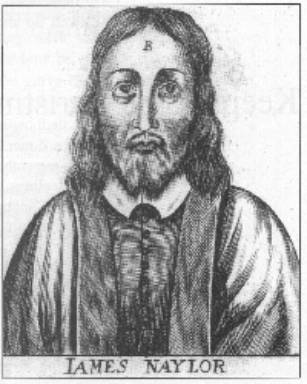 And so, this entrance to Bristol created some attention. Because of the religious symbols and words involved, Nayler ended up getting arrested and tried for blasphemy. He was publicly whipped, and a B was branded on his forehead, and some other bad things were done to him.
Grand entrance
Now, there have been many grand entrances throughout history that have caused a stir. In 1656, James Nayler, a prominent early Quaker, entered Bristol on the 24th October riding a horse while his followers walked beside him, laying down their garments in front of his horse so that the horse's feet wouldn’t get dirty. They also were proclaiming “Holy, holy, holy” as he entered. At that time, the Quakers were a relatively new movement, only about ten years old, and they held a belief in this inner light, that the living presence of Christ could speak through believers. And Nayler’s followers saw him as a vessel of Christ’s voice.And, it is all kinda bizarre that this prominent leader of this relatively small Quaker movement did something so public and drastic. It nearly ended the whole movement.
And that feeling of weirdness, of causing a grand entrance in such a heavily symbolic way, would have been present in our passage with Jesus. Here was a leader of a small religious movement entering the capital of Israel on a donkey. King Solomon entered the same town on King David’s own mule. When King Jehu was anointed king, his people laid their cloaks under his path (2 Kings 9:13). And here, Jesus’ followers are doing that and also proclaiming scripture about Him. What would everyone have been thinking about this entrance?
That Holy Week in Jerusalem, there would have been two grand entrances into the city.
That Holy Week in Jerusalem, there would have been two grand entrances into the city.
From the west, Pilate would have come, draped in the glory of imperial power: horses, chariots, and gleaming armour. At the beginning of Passover, Pilate moved in with the Roman army to make sure nothing got out of hand. Insurrection was in the air with the memory of God’s deliverance of the Hebrew people from slavery in Egypt. (Feasting on the Word: Preaching the Revised Common Lectionary: Year C, Volume 2 Homiletical Perspective)
And then this entrance in our story was from the East. Jesus came not with an army, not on a horse, not with any armour, but on a donkey with His disciples. Jesus did not come with much power or protection, but in humility. On a young donkey, and yet, here in this entrance, Jesus was proclaimed as King.
Jesus Proclaimed as King
Throughout Jesus’ life, He has been healing people and giving them a glimpse of His power over the Devil, disease, and death, but strangely, at some points, He has also been telling people to be quiet about it. But now, when Jesus comes to Jerusalem, the crowds treat Jesus like a king. Like a king in the line of the great Jewish King David. Like a king who has come to save them from oppression and slavery. And Jesus doesn’t tell them to be quiet about it. Jesus doesn’t tell them to stop, because they are right on the money. Jesus is a king and not just any king.The naysayers, the Pharisees in the crowd, try to hush things up.
Some of the Pharisees in the crowd said to Jesus, “Teacher, rebuke your disciples!” (Luke 19:39 NIV)The Pharisees are noticing this stir and they ask Jesus to settle His disciples, and Jesus replies, “if they keep quiet, the stones will cry out” (Luke 19:40). The rocks might be dumb, but they are not that dumb, they know who their king is. The unridden colt also doesn’t baulk under Jesus. He serves His master. Nature itself knows and needs to praise Jesus as “the King who comes in the name of the Lord”.
Jesus is not only in the royal line of a great king, but He is more than that. If you have eyes to see it, Jesus is claiming to be the great King who had been foretold hundreds of years before Him. The Old Testament, from Genesis to Malachi, has been looking forward to a messiah, a king to save them.
The most relevant Old Testament prophecy in this passage is from Zechariah, about 500 years before Jesus
Jesus is this humble king. Jesus humbled Himself for us so that we can be saved. Jesus is God, who left heaven for us, to become a servant to die on a cross in our place to save us from our sins; and His victory brought us peace.
In our passage, the crowds shout two things:
Rejoice greatly, Daughter Zion!Zechariah was looking forward to a great king who is lowly, who will come on a donkey, not just any donkey, but a colt, that is, specifically a young male donkey. This donkey-riding king is in view of the people from Jerusalem and is righteous and victorious and humble, and they will proclaim peace to the nations, to the ends of the earth.
Shout, Daughter Jerusalem!
See, your king comes to you,
righteous and victorious,
lowly and riding on a donkey,
on a colt, the foal of a donkey.
... He will proclaim peace to the nations.
His rule will extend from sea to sea
and from the River to the ends of the earth. (Zechariah 9:9, 10b NIV)
Jesus is this humble king. Jesus humbled Himself for us so that we can be saved. Jesus is God, who left heaven for us, to become a servant to die on a cross in our place to save us from our sins; and His victory brought us peace.
In our passage, the crowds shout two things:
“Blessed is the king who comes in the name of the Lord!”They call Jesus a king, and they mention peace. Have you called out to Jesus to save you? Is He your King?
“Peace in heaven and glory in the highest!” (Luke 19:38 NIV)
A King is someone you pledge allegiance to. Some who you will follow and trust, and go where they tell you to go. You give up some autonomy under a king that you follow; you look to them for guidance and security. What they do affects you.
You may wonder why Jesus should be your King? Well, Jesus is like no other King. He is better than any king that has ever lived, and that will ever live. He has come to bring peace. When a king wins peace, it affects all of His people in His kingdom.
Christ or Caesar. Peace with Christ or peace with the powers of this world.
With Jesus entering Jerusalem, the people are singing Psalm 118. It is a Psalm of praise, giving thanks to God, for His love endures forever. It says, it is better to take refuge in the Lord than to trust in princes. Only in the Lord can someone find salvation. How well do the nations offer peace to all? Where do we turn to for peace?
Jesus is the King of Kings and Lord of Lords. Jesus conquers all enemies, including Satan. He has no rival, He has no equal and one day all knees will bow to Him, and all tongues will confess He is King. Is He your king?
And Jesus is a good king. He is infinite in his wisdom, perfect in His character, merciful and just in all His rulings. He is the only true God and the only man who has conquered death. He is from everlasting to everlasting, from beginning to end. Jesus rules over all things, all places and all people. Is He your King?
Jesus promises to bring comfort to the suffering, to wipe every tear from the hurting, to give rest to the tired and to give everlasting life to those who trust Him. Do you trust Him? Is He your King?
Have you ever heard some misguided person say that “all religious leaders were really the same”? Would you tell them that Jesus is King of Kings and Lord of Lords? Have you heard some nice well-meaning person say, “Jesus was a good moral teacher”? You can then tell them that Jesus is more than that, Jesus is King of Kings and Lord of Lords. If you watch the news and you see on your screen some disaster or crisis that looks hopeless, remind yourself that Jesus is King of kings and is ruling over everything, and one day will bring about total peace.
The offer of Peace
The Romans were very proud to have brought in the "Pax Romana", that is, peace across the Roman Empire. But Jesus life, has been all about peace on earth and in heaven. We have our choice to make, "Pax Christi or Pax Romana" (Feasting on the Word: Preaching the Revised Common Lectionary: Year C, Volume 2 Homiletical Perspective)Christ or Caesar. Peace with Christ or peace with the powers of this world.
With Jesus entering Jerusalem, the people are singing Psalm 118. It is a Psalm of praise, giving thanks to God, for His love endures forever. It says, it is better to take refuge in the Lord than to trust in princes. Only in the Lord can someone find salvation. How well do the nations offer peace to all? Where do we turn to for peace?
Jesus is the King of Kings and Lord of Lords. Jesus conquers all enemies, including Satan. He has no rival, He has no equal and one day all knees will bow to Him, and all tongues will confess He is King. Is He your king?
And Jesus is a good king. He is infinite in his wisdom, perfect in His character, merciful and just in all His rulings. He is the only true God and the only man who has conquered death. He is from everlasting to everlasting, from beginning to end. Jesus rules over all things, all places and all people. Is He your King?
Jesus promises to bring comfort to the suffering, to wipe every tear from the hurting, to give rest to the tired and to give everlasting life to those who trust Him. Do you trust Him? Is He your King?
Have you ever heard some misguided person say that “all religious leaders were really the same”? Would you tell them that Jesus is King of Kings and Lord of Lords? Have you heard some nice well-meaning person say, “Jesus was a good moral teacher”? You can then tell them that Jesus is more than that, Jesus is King of Kings and Lord of Lords. If you watch the news and you see on your screen some disaster or crisis that looks hopeless, remind yourself that Jesus is King of kings and is ruling over everything, and one day will bring about total peace.
Have you accepted Jesus as your King? Have you welcomed Him to take the direction of your life and to give you peace? Is your allegiance with Him and none other, trusting Him for peace and security?
 Halfway down the Mount of Olives, there is a small chapel in the shape of a teardrop. It is called Dominus Flevit (Latin for “the Lord weeps”). It is the traditional location where Jesus wept over the city. (Feasting on the Word: Preaching the Revised Common Lectionary: Year C, Volume 2 Pastoral Perspective)
Jesus weeps because Jerusalem would be destroyed.
Do you remember last week? At the end of Luke 13, Jesus’ heart breaks for the city of Jerusalem. He wanted to gather them in His arms, but they didn’t want Him. They were not willing to go to Him. They will not be able to see Him till they sing Psalm 118 and see Him as a king from God.
At the end of our passage in Luke 19, we are told that Jesus weeps over the city; His heart breaks for them. Their problem, we are told in verse 44, was that they “did not recognise the time of God’s coming”.
Like the Pharisees in this story, they couldn’t see Jesus as the King. They couldn’t see how Jesus could bring peace. Because they couldn’t see how peace could be achieved in Jerusalem, they would face war and destruction. And in 70 AD the city would be destroyed as Jesus had said. As Jesus knows what will happen to the colt, as He knows what was going to happen at Passover, He knows what will happen to this city that will reject Him, and it breaks His heart. He wants peace.
This peace that Jesus brings isn’t the absence of war or the aftermath of a military conquest. Jesus brings peace between humanity and God. Jesus mediates between us and God so that we can have peace with God. Jesus took all our sins on Himself and died with them on the cross. So now our sins have been wiped away from God’s eyes. He sees us as His pure and perfect children. We are at peace with Him.
The story goes that when Dante, the famous 13th-century poet, when he faced exile in Italy, he wandered around the country looking for someone to take him in. When Dante knocked at the door of a Franciscan monastery, he was asked, “What do you want?” He replied, “Peace!” (1000 Illustrations for Preaching & Teaching What Do You Want?)
We all want peace. We all want a settled peace, a secure place, where no matter what happens to us, we can be at rest and not anxious or restless. In Jesus, we have the King who brings peace. Even when things are in turmoil, even when things are uncertain, we can be confident that because of Jesus, we have peace with God. We are no longer enemies with God, but His friends, and we can find an eternal rest with Him. This can give us a stability in life now, knowing where we are headed, despite the messiness around us.
 Imagine a massive cyclone tearing across the ocean. On the surface, violent winds whip the water into giant waves and create a scene of havoc and chaos. Yet, 10 meters below the surface, the waters are clear and calm. The fish there go on living their lives totally unaware of the thunderous turmoil just above them. When there is depth, there is peace. So it is in the Christian life (1500 Illustrations for Biblical Preaching Peace).
Jesus Pained by Rejection

Jesus weeps because Jerusalem would be destroyed.
Do you remember last week? At the end of Luke 13, Jesus’ heart breaks for the city of Jerusalem. He wanted to gather them in His arms, but they didn’t want Him. They were not willing to go to Him. They will not be able to see Him till they sing Psalm 118 and see Him as a king from God.
At the end of our passage in Luke 19, we are told that Jesus weeps over the city; His heart breaks for them. Their problem, we are told in verse 44, was that they “did not recognise the time of God’s coming”.
Like the Pharisees in this story, they couldn’t see Jesus as the King. They couldn’t see how Jesus could bring peace. Because they couldn’t see how peace could be achieved in Jerusalem, they would face war and destruction. And in 70 AD the city would be destroyed as Jesus had said. As Jesus knows what will happen to the colt, as He knows what was going to happen at Passover, He knows what will happen to this city that will reject Him, and it breaks His heart. He wants peace.
The Peace of God
Jesus is the peace of the world—not any kind of peace, but the peace that only he can give—and that peace cannot be found apart from the journey that leads to the cross, (Feasting on the Word: Preaching the Revised Common Lectionary: Year C, Volume 2 Theological Perspective)This peace that Jesus brings isn’t the absence of war or the aftermath of a military conquest. Jesus brings peace between humanity and God. Jesus mediates between us and God so that we can have peace with God. Jesus took all our sins on Himself and died with them on the cross. So now our sins have been wiped away from God’s eyes. He sees us as His pure and perfect children. We are at peace with Him.
The story goes that when Dante, the famous 13th-century poet, when he faced exile in Italy, he wandered around the country looking for someone to take him in. When Dante knocked at the door of a Franciscan monastery, he was asked, “What do you want?” He replied, “Peace!” (1000 Illustrations for Preaching & Teaching What Do You Want?)
We all want peace. We all want a settled peace, a secure place, where no matter what happens to us, we can be at rest and not anxious or restless. In Jesus, we have the King who brings peace. Even when things are in turmoil, even when things are uncertain, we can be confident that because of Jesus, we have peace with God. We are no longer enemies with God, but His friends, and we can find an eternal rest with Him. This can give us a stability in life now, knowing where we are headed, despite the messiness around us.

Through all our ups and downs on the surface, we can have a deep peace in Jesus. Because He is the King who brought us peace.
As we approach Easter, reflect on whether Jesus is King over your life? Do you have peace with Him? Will you look with eyes to see that Jesus is the King? He is the one who comes and saves us from sin and Satan and death. He comes to bring us peace with God. Jesus is the King who is sitting at the right hand of the Father and will come back again to judge the living and the dead; and all those who trust in Him will be gathered up and be with Him, in His new Kingdom. That is the hope we have, for all who trust Jesus as their King, will have peace, forever. Amen.
As we approach Easter, reflect on whether Jesus is King over your life? Do you have peace with Him? Will you look with eyes to see that Jesus is the King? He is the one who comes and saves us from sin and Satan and death. He comes to bring us peace with God. Jesus is the King who is sitting at the right hand of the Father and will come back again to judge the living and the dead; and all those who trust in Him will be gathered up and be with Him, in His new Kingdom. That is the hope we have, for all who trust Jesus as their King, will have peace, forever. Amen.
Almighty God, whose Son Jesus came riding on a donkey as the promised King,Help us to see Him as the true King of Kings, who knows the beginning from the end.Help us to have a secure peace, trusting that Jesus is right now ruling over this world and has dealt with our greatest need.
We give you thanks that He laid down His life for us on the cross, so that we can have peace with you.
Help us to lay down our things in front of Him, and to praise Him for what He has done.
This Easter, may your peace not be hidden from our eyes, and from the eyes of those who do not know you.
May we live in your Kingdom this day, with confidence and joy, because of the true story of Easter.
0 comments:
Post a Comment